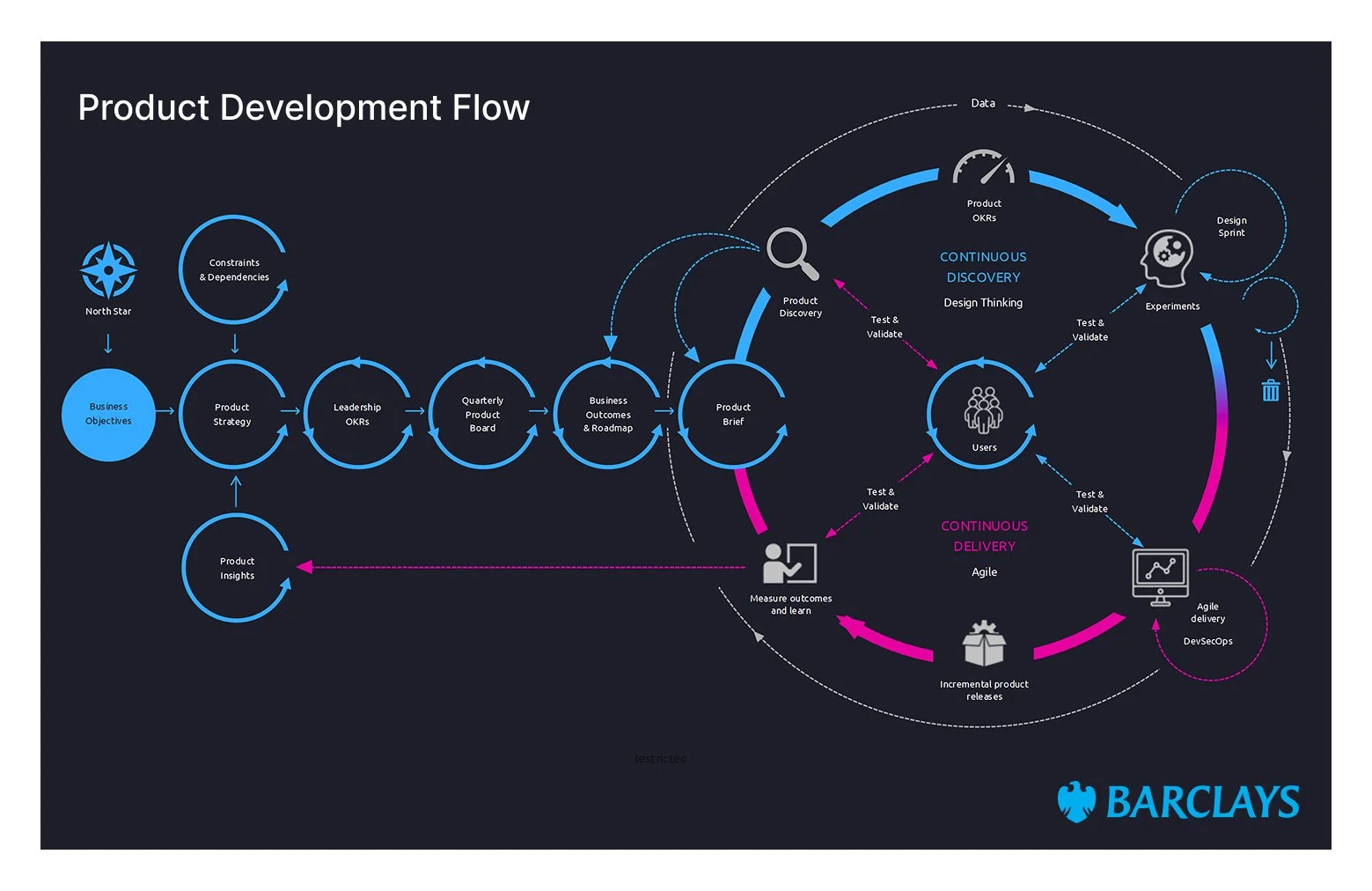
Barclays
Design Strategy, Business Design and Design Management
Barclays is a British multinational bank headquartered in London, UK.
It offers a comprehensive range of financial services, including retail banking, corporate banking, credit cards, and investment banking. With a global presence and multiple business divisions, Barclays serves millions of customers worldwide.
The problem to solve
Barclays operates through several business units, including Corporate Banking, Business Banking, Private Banking, etc. Each manages its own products and services. Historically, these units functioned in silos, leading to:
• Fragmented and inconsistent customer experiences
• Redundant efforts across teams
• Conflicting solutions to similar customer needs
This lack of cohesion hindered the bank’s ability to deliver unified, scalable, and customer‑centric services.
Discovering the solution
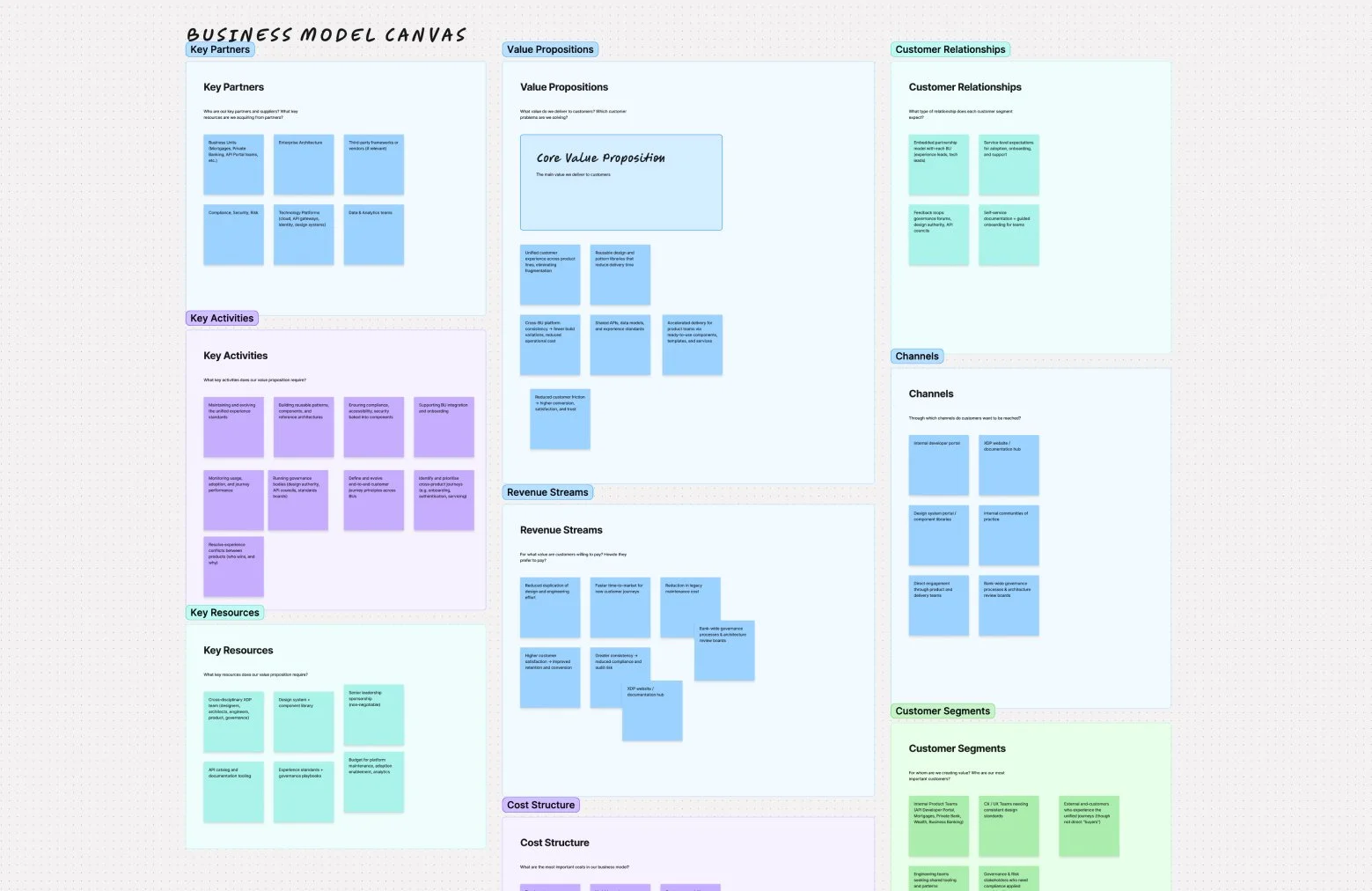
To overcome this fragmentation, Barclays created XDP (Experience Design Practice), a centralized function aimed at unifying design efforts across business units and improving the overall customer and business experience.
Capgemini was engaged as the lead consultancy to drive this initiative across strategic workstreams. In my role as Lead Service and Business Designer, I was responsible for leading service transformation at scale. My contributions included:
• Gaining a deep understanding of Barclays’ business strategy, operational needs, cost structures, and competitive landscape
• Identifying service pain points and opportunities across disjointed user journeys
• Designing tailored, end‑to‑end service design strategies for each workstream
• Building and mentoring cross‑functional design teams
• Aligning stakeholders across business units on shared goals, customer needs, and unified design principles
The Impact
Over the course of our engagement, the work delivered tangible organizational and cultural shifts:
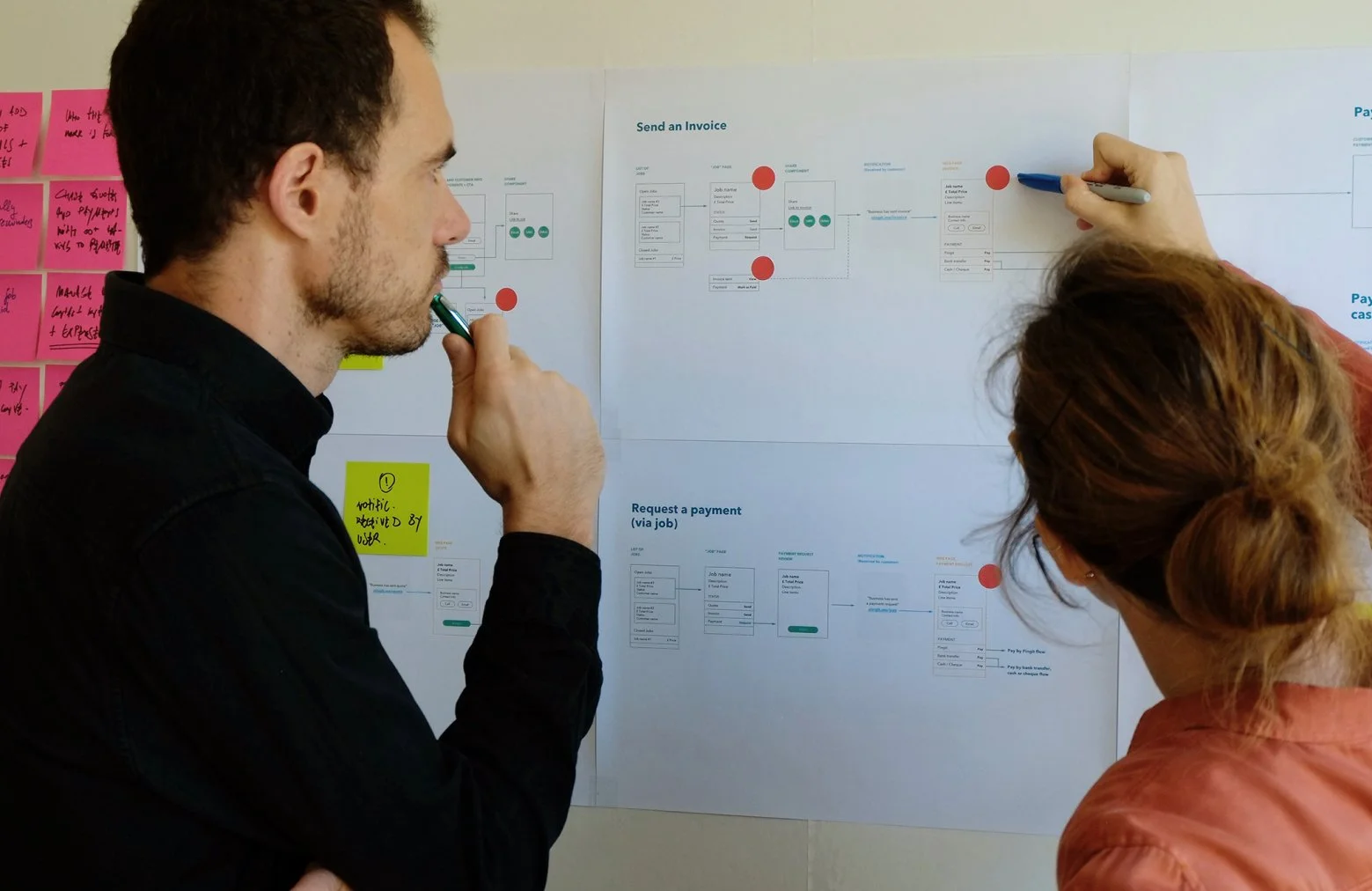
Embedded design thinking: I instilled a stronger, more conscious understanding of Design Thinking principles and practices within teams, enabling more innovative, customer-led service delivery.
Strategic team structuring: I helped define the roles and skillsets required for each squad, aligning talent with the unique needs of each workstream.
Cross-unit alignment: I facilitated alignment across business units, establishing collaborative ways of working and clarifying deliverables for each stream.
Prioritized design execution: I guided my design team in understanding workstream requirements and collaborated with Product Managers to prioritize design activities that delivered the most business and user value.
Conclusion
This foundational work helped Barclays transition from siloed operations to a more collaborative, design-led approach, one that supports consistency, scalability, and customer‑centred innovation across its diverse service portfolio.